Esme O’sullivan Blog 2025/26
BIG IDEAS/HYPE
Week 1 – 2nd march
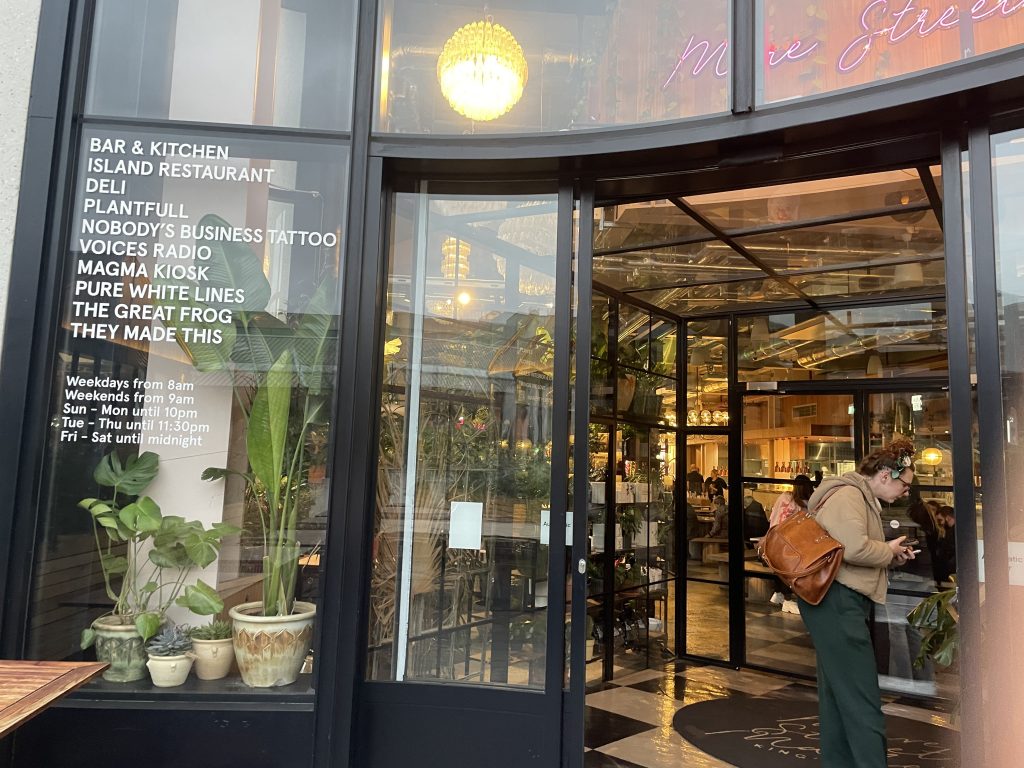
Starting this new placement felt like a fresh start after a difficult few months, and I was really excited to finally have a new opportunity and routine again. Working within a company connected to a group of bars and restaurants felt like such an exciting environment to be part of, especially because it combines creativity, branding, and marketing. During my interview, I had the chance to explain my design interests, previous experience, and how I could contribute to the company. It felt much more like a conversation than a formal interview, which helped me feel confident and comfortable. By the end of the interview, they offered me the placement, which made me feel really encouraged and motivated for this next step.
Week 2 – 9th march
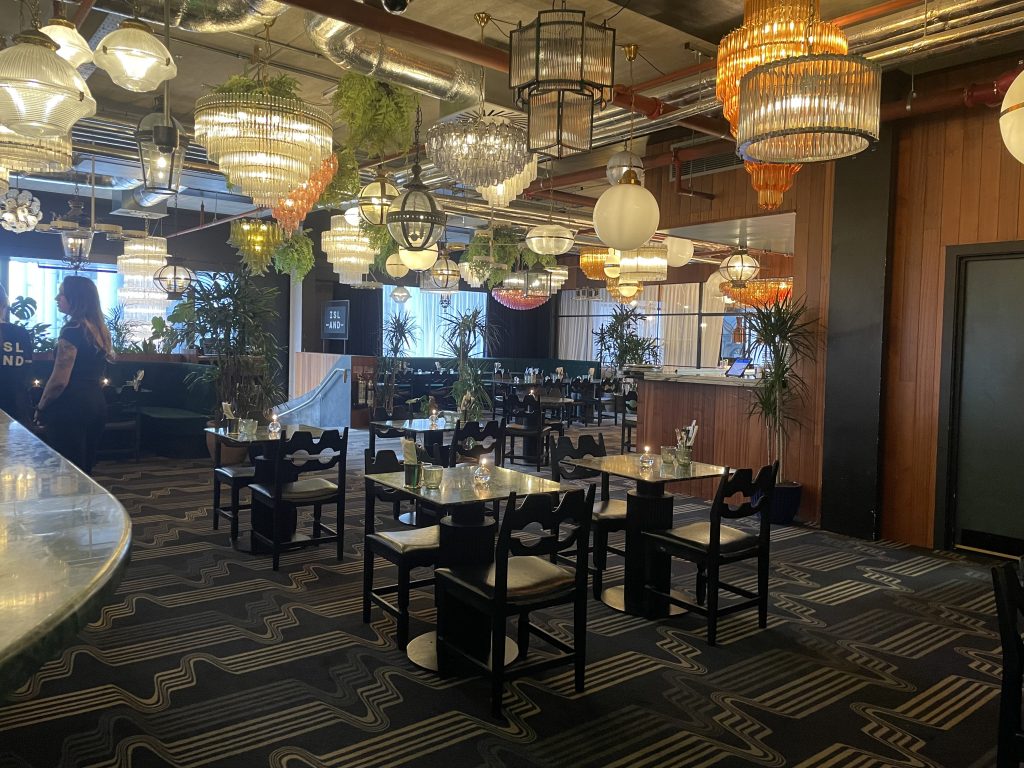
By my second week, I had already started to feel more confident within the company. Even though the business operates on a large scale, my role feels quite independent because I’m often the only person focusing on this type of design work. It has given me a lot of creative freedom and responsibility, while also showing me how design supports wider marketing and business goals. I’ve also been encouraged to visit sites, speak directly with General Managers, ask questions, and explain my ideas and design process, which has helped me feel much more involved within the company.
Week 3 – 9th march
During week 3 at my new company, I felt much more confident going into the role as I already had a connection through a family friend. This made settling into the environment easier and helped me feel more comfortable speaking with different members of the team.
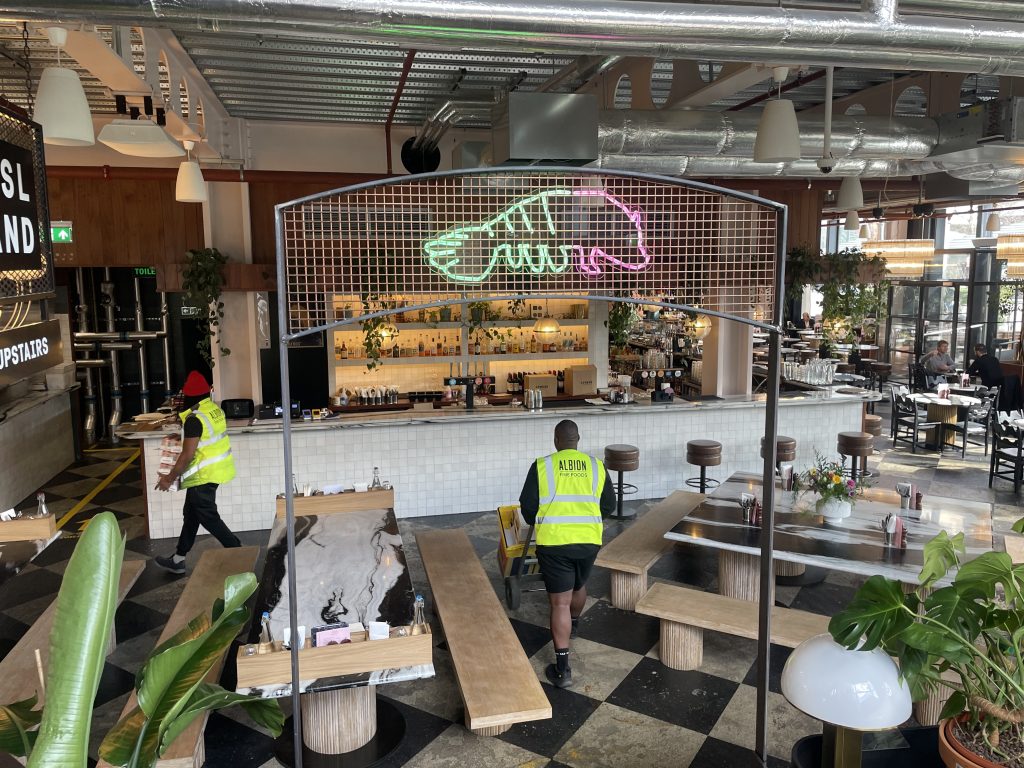
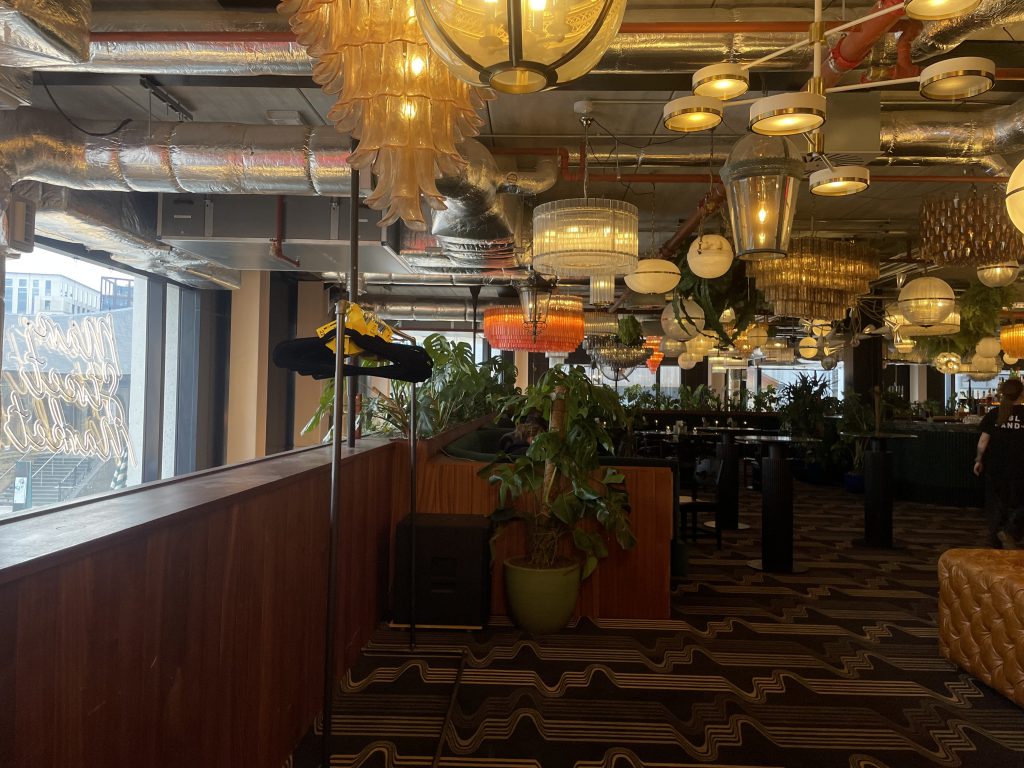
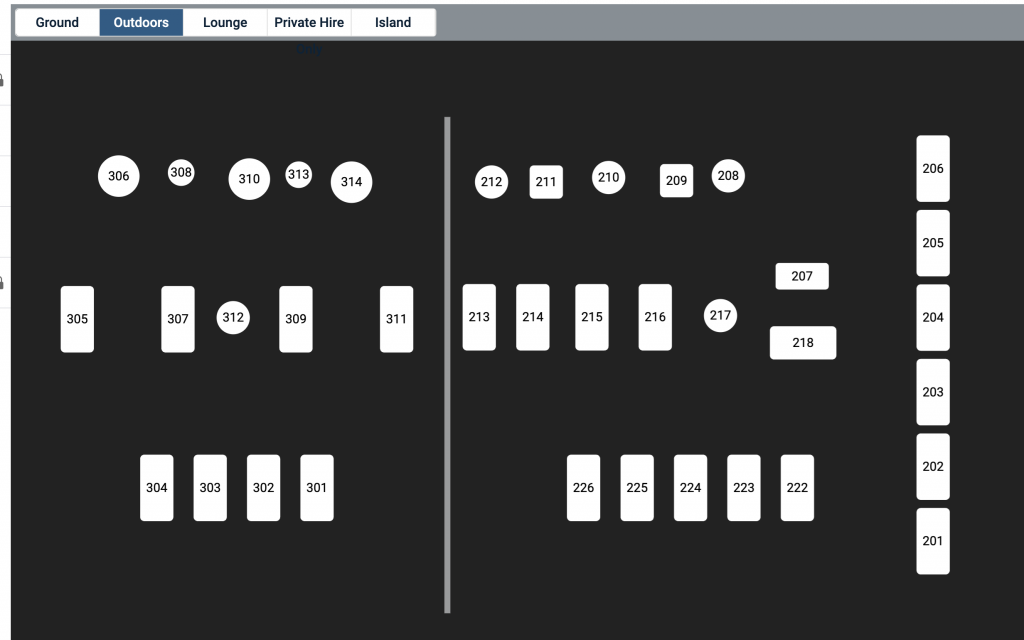
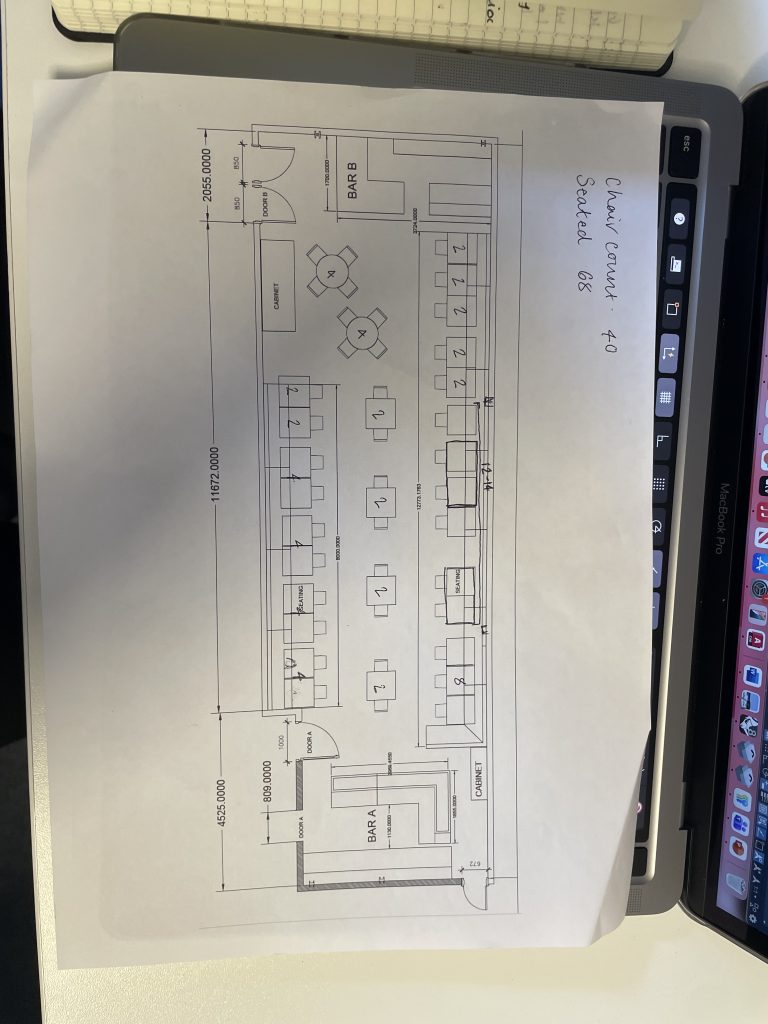
This week, I was given the responsibility of meeting with the General Managers from the different bars to discuss table numbers, layouts, and upcoming events. These conversations helped me better understand how each space operates and what is needed for different client bookings and event setups.
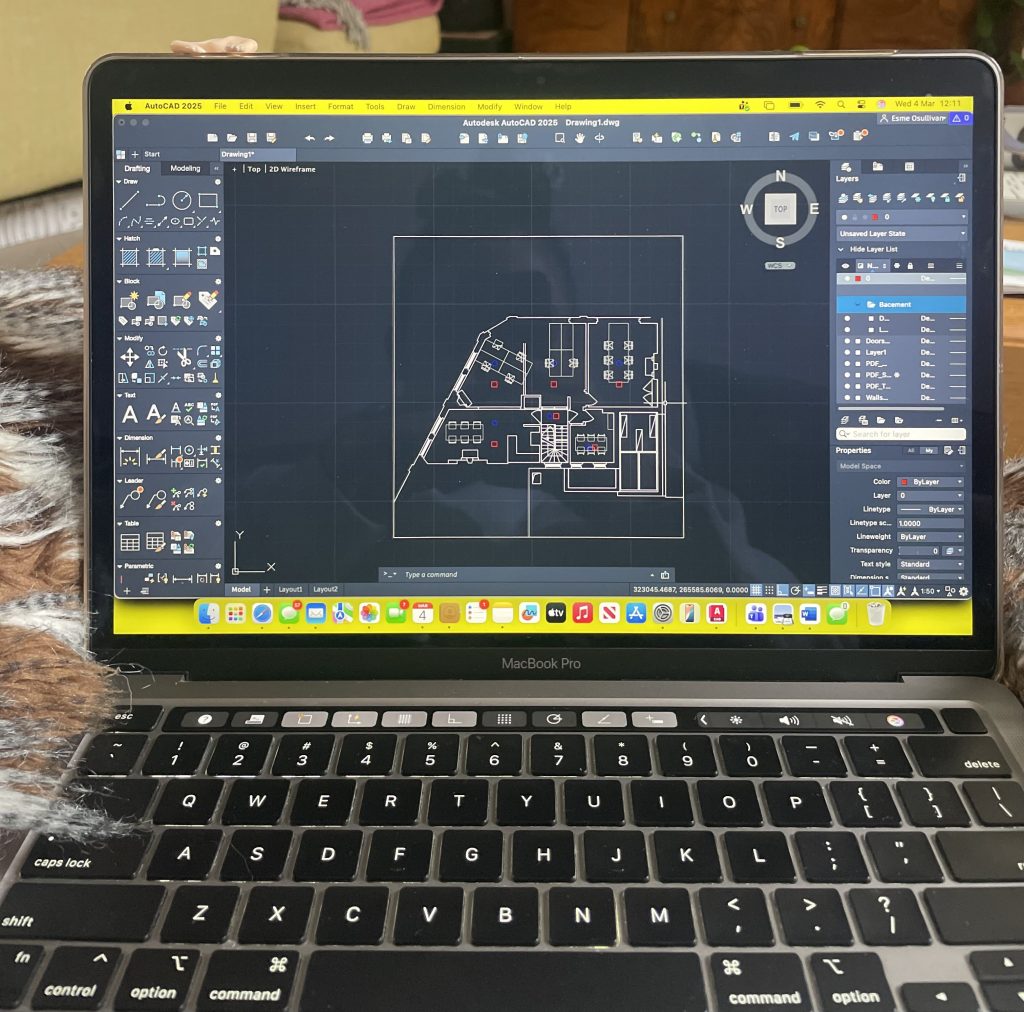
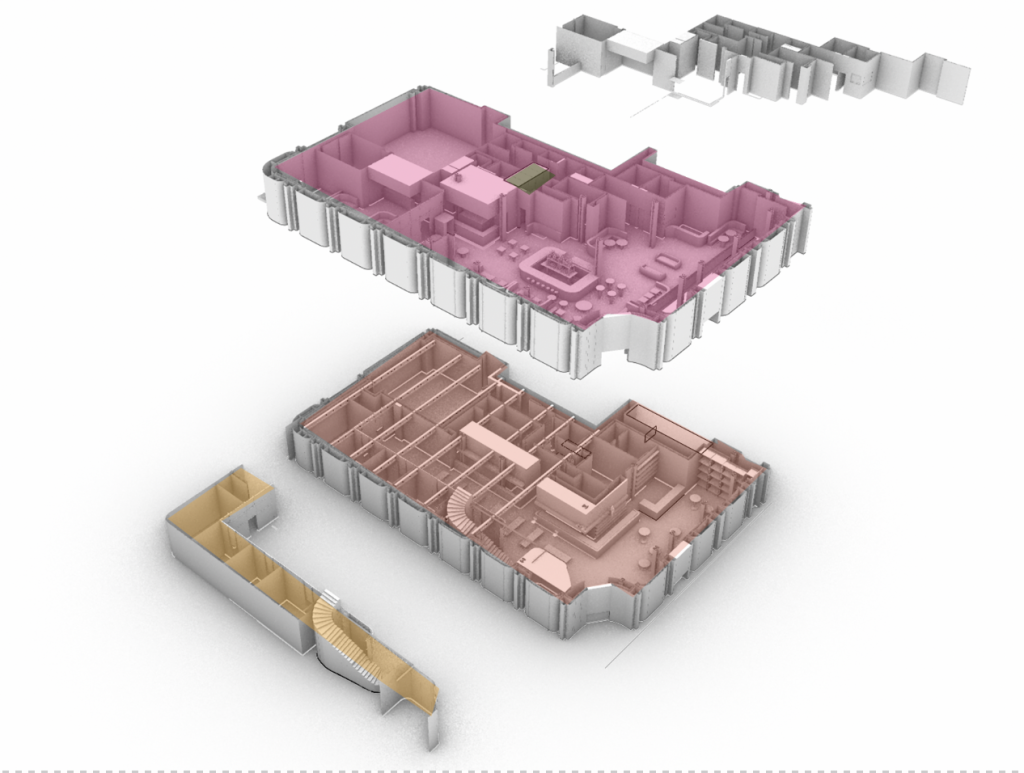
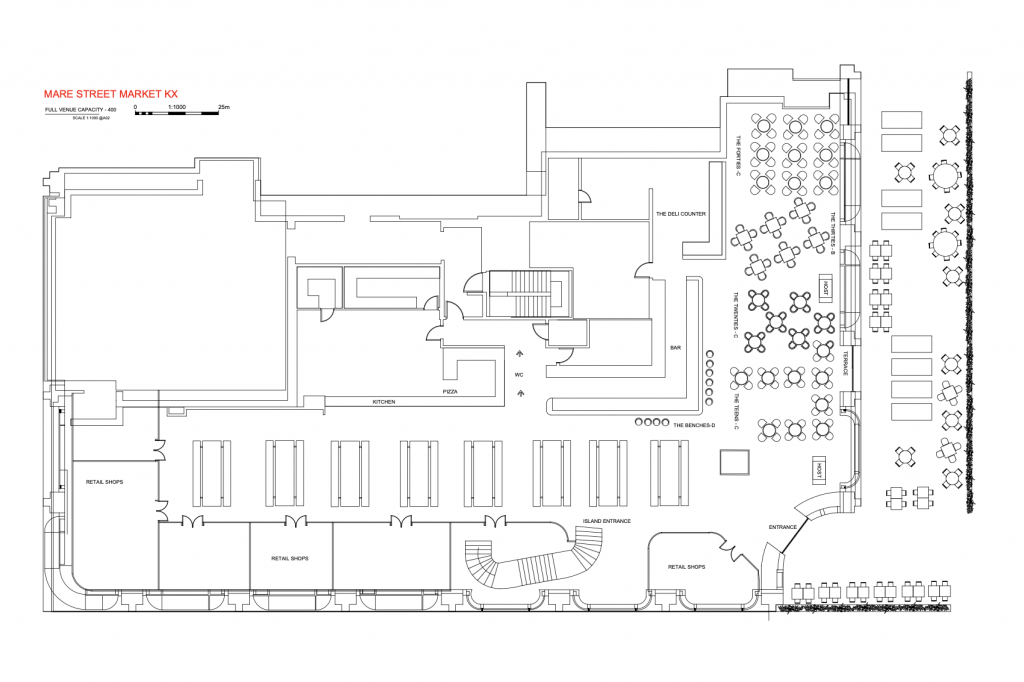
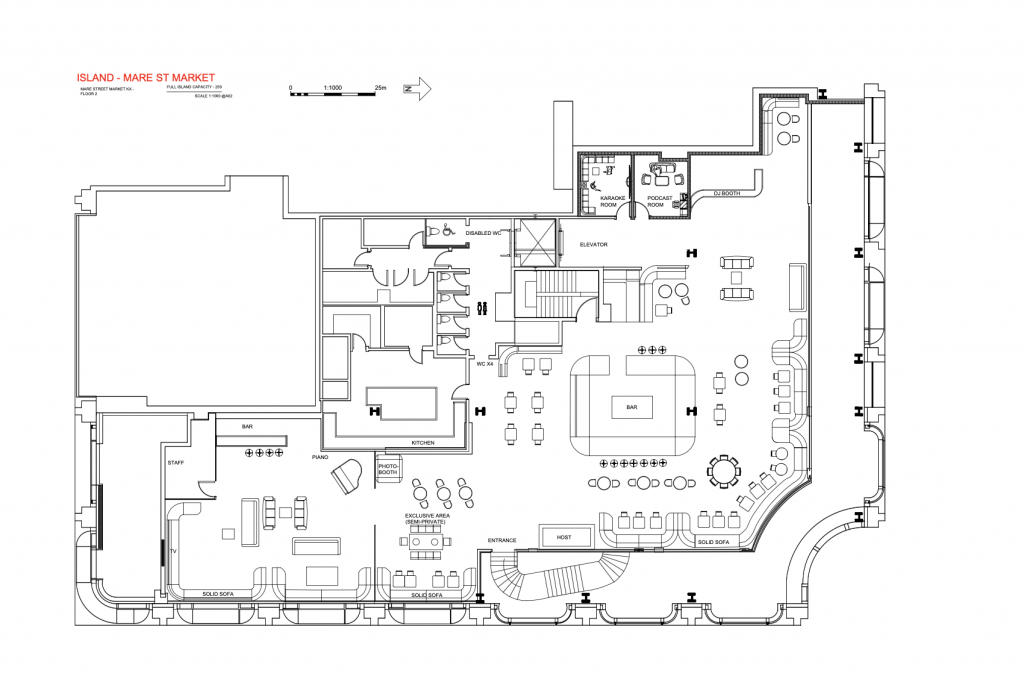
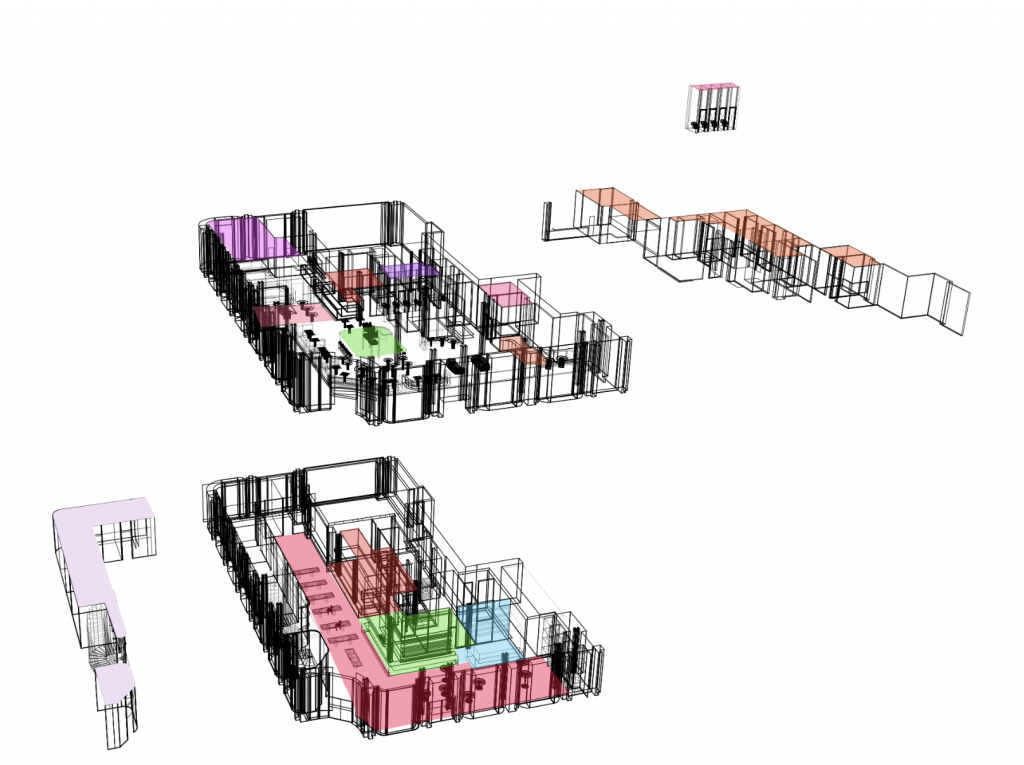
I was then able to transfer this information into my floor plans, creating clearer and more organised layouts that can later be used to present and sell spaces to clients. This experience helped me improve both my communication skills and my understanding of how technical drawings are used within a professional hospitality and events environment.
Week 4 – 23rd march
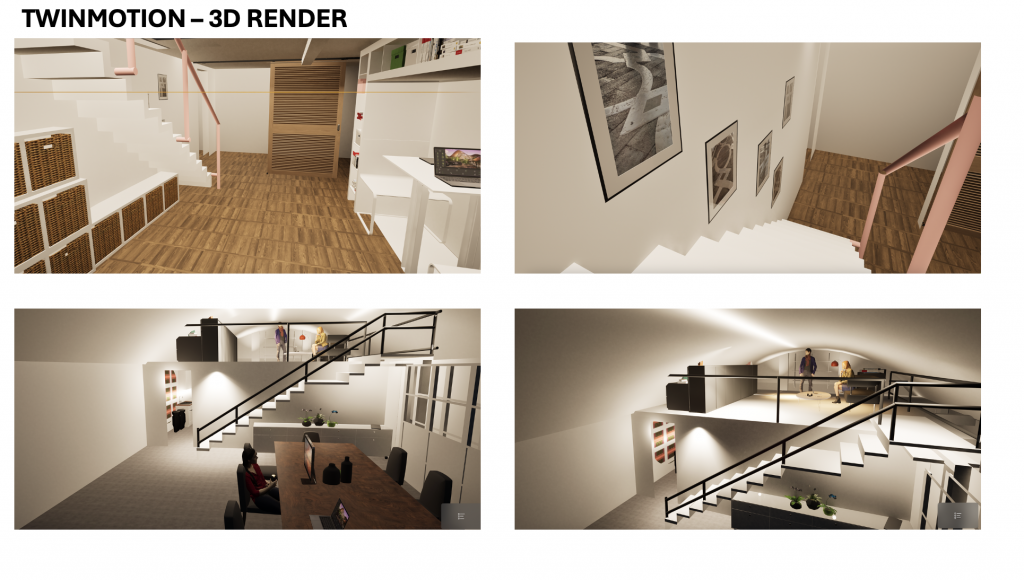
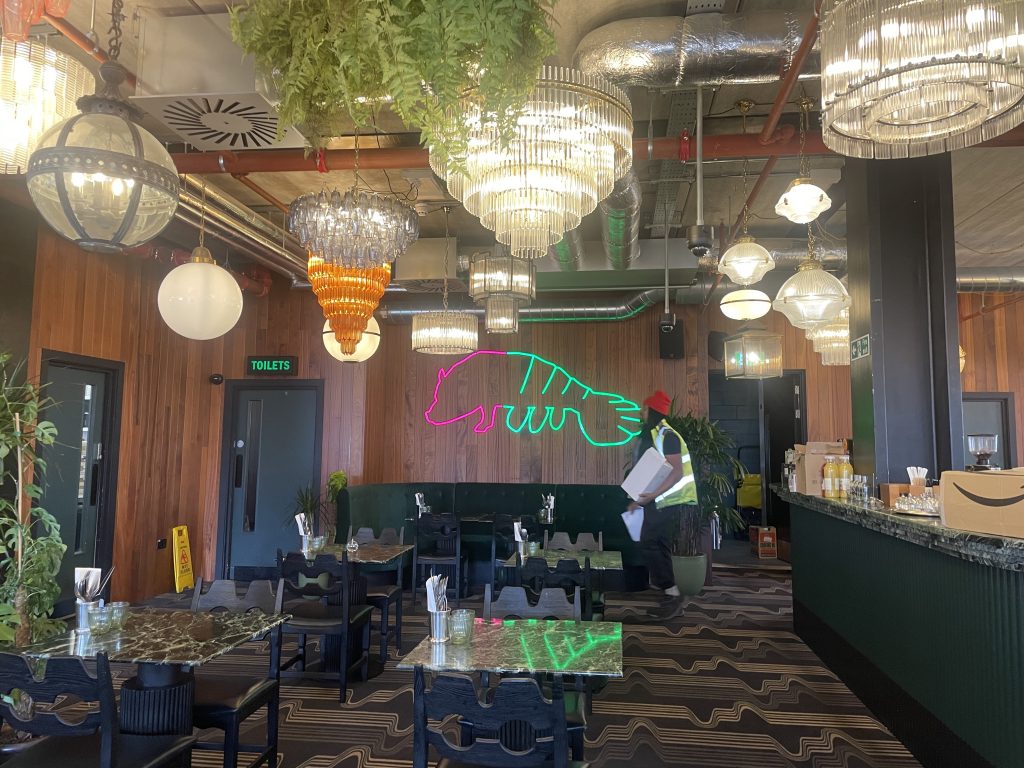
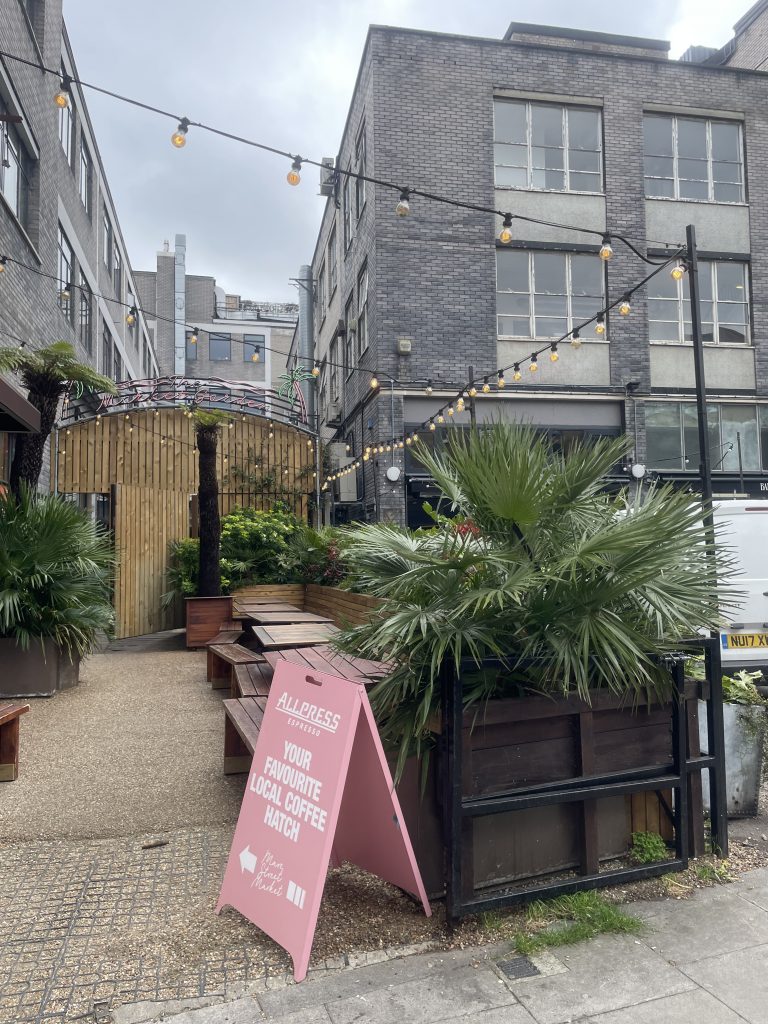
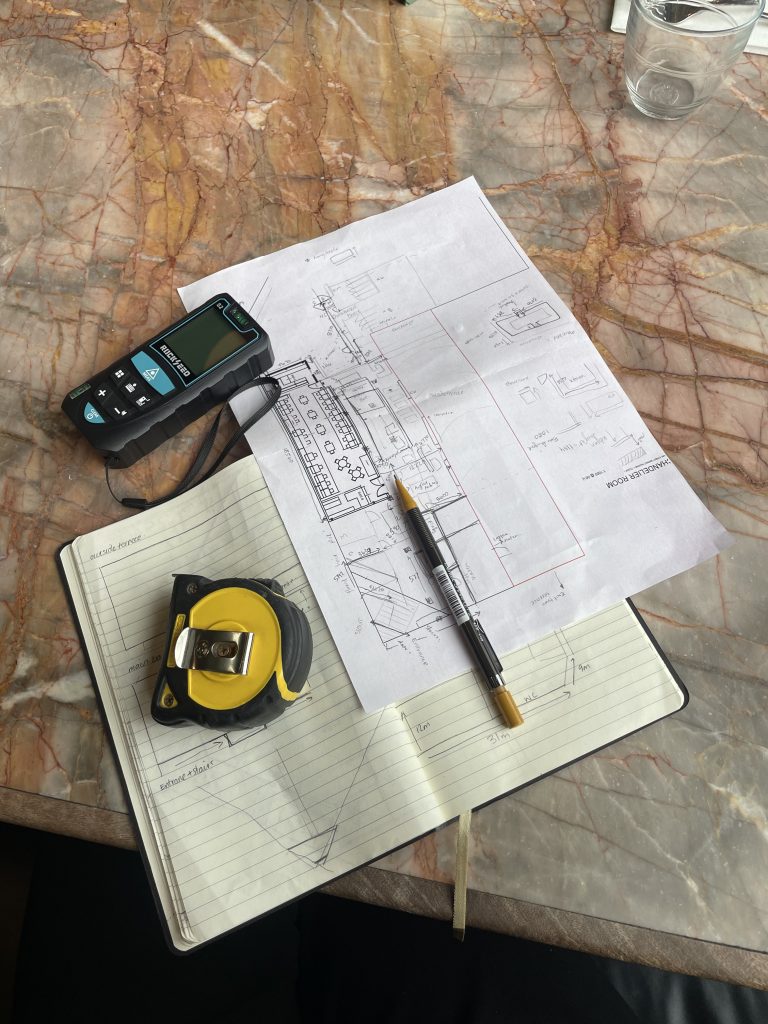
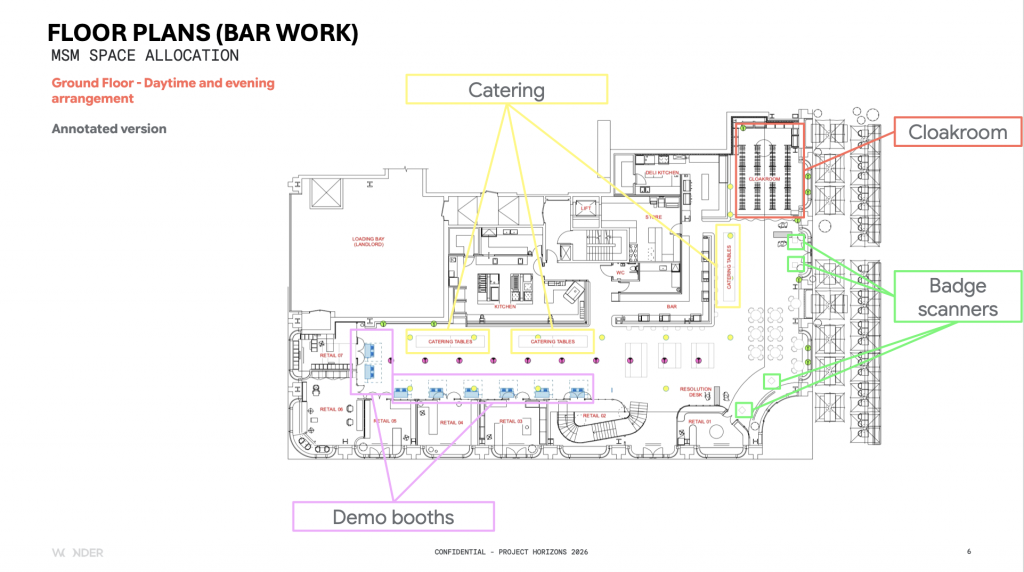
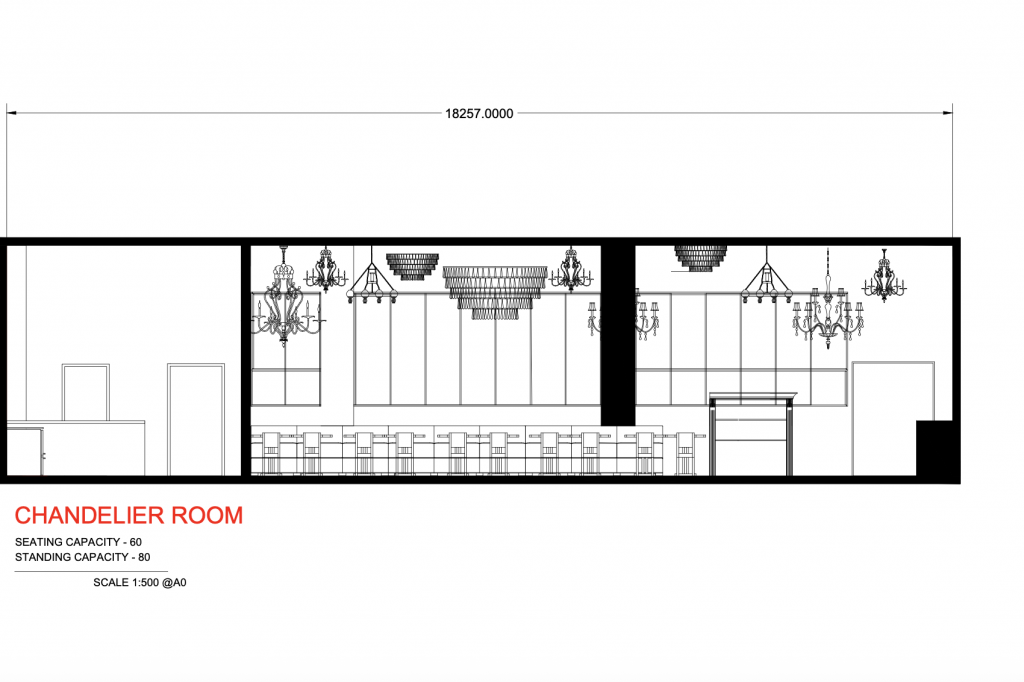
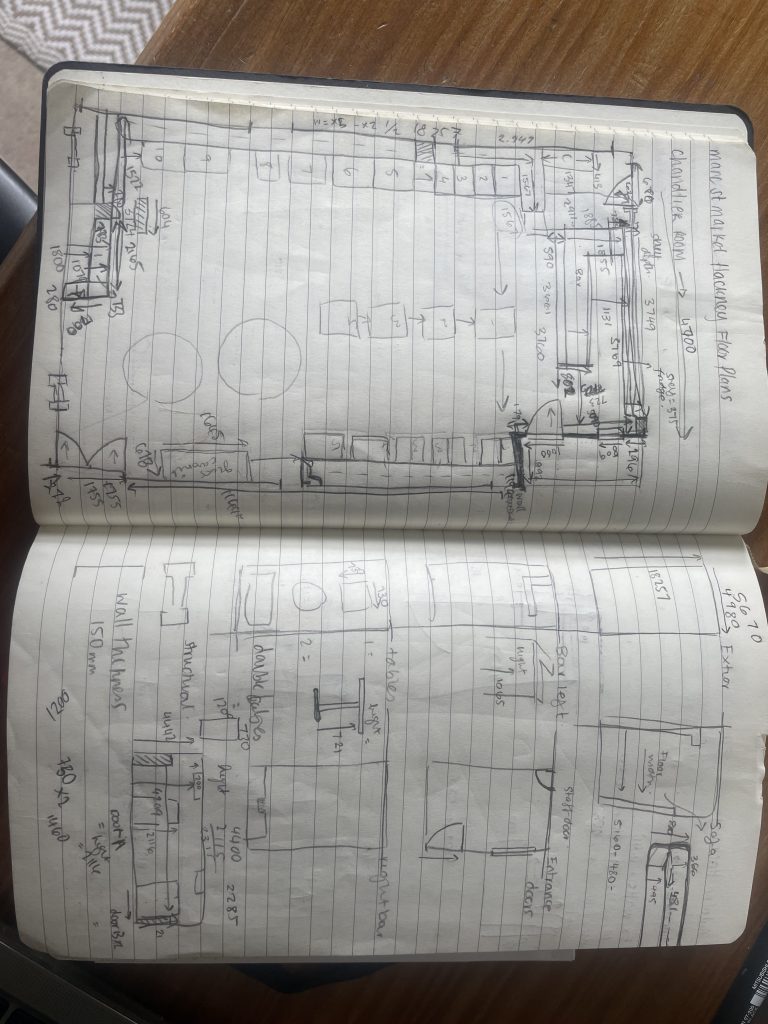
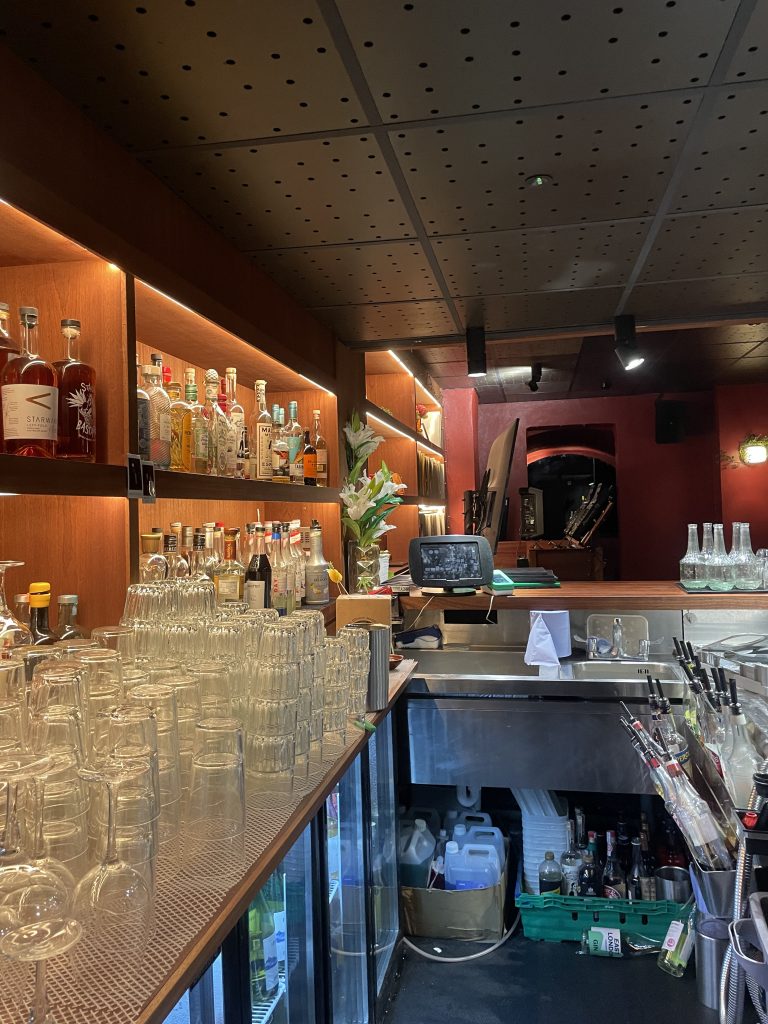
Part of my role was creating floor plans for the company’s venues and bars across London, starting in King’s Cross and later Hackney. This involved visiting sites, measuring spaces, photographing interiors, and turning them into digital plans and 3D visuals.
The site visits were often quite funny and chaotic. I sometimes arrived during opening hours with customers already inside, so I had to awkwardly work around people while measuring the venue. Staff were not always told I was coming either, which led to a lot of confused looks as I walked around taking photos and measurements.
My week was split between office work, site visits, and remote working. I spent Mondays and Tuesdays in the office with the marketing team, while the rest of the week was either on-site around London or working remotely on layouts and visualisations.
Week 6 –
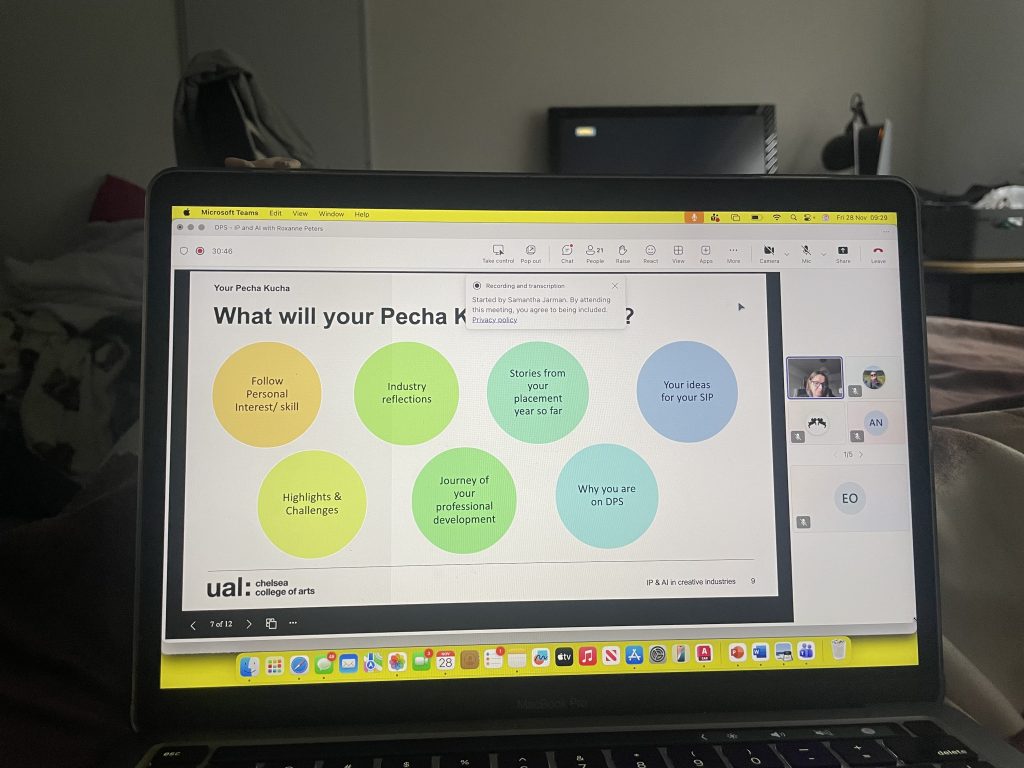
PECHA KUCHA
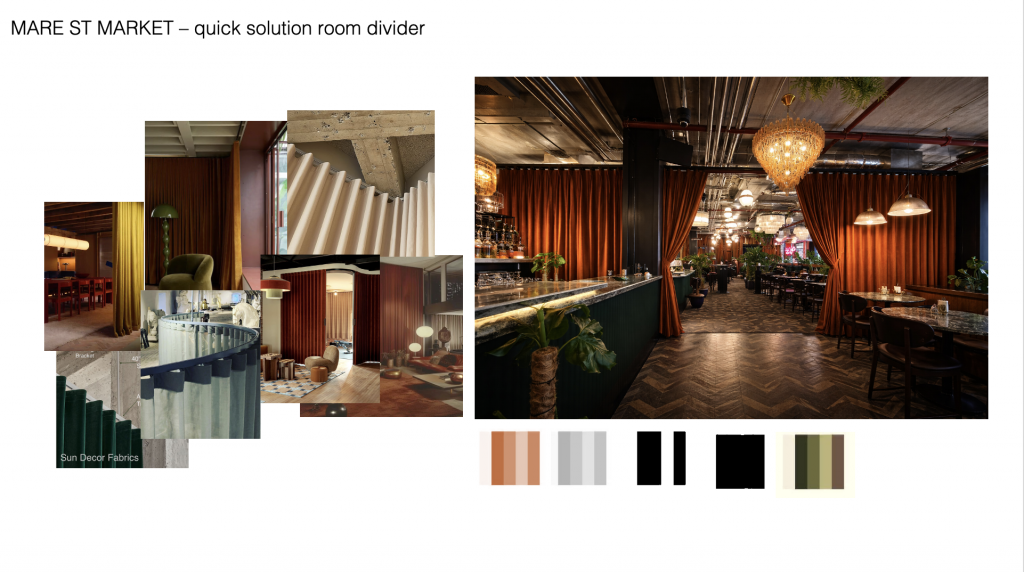
Pecha Kucha Reflection – March Presentation
In March, I took part in another Pecha Kucha presentation which was also delivered under timed conditions. However, this presentation felt very different from the previous one because at that point I had not yet secured a placement. Instead of reflecting on work I was currently completing, I focused more on my future goals and what I hoped to gain from my next placement opportunity.
I found this Pecha Kucha more reflective and personal, as it encouraged me to think carefully about the type of environment I wanted to work in and the skills I wanted to continue developing within the design industry. It allowed me to discuss what I was looking for in a placement and the areas I hoped to improve, including confidence within professional settings, technical drawing skills, communication, and gaining experience working on live projects.
The timed format also continued to help me improve my presentation skills and confidence when speaking about my ideas. I became more aware of how I structure my thoughts and present information clearly within a limited amount of time.
At the end of the presentation, the questions and feedback helped me reflect further on what I wanted from my future placement experience. It made me realise the importance of finding a placement that would both challenge me creatively and help me grow professionally within interior and spatial design.
Overall, this Pecha Kucha helped me think more clearly about my future ambitions and the direction I wanted my placement experience to take.
Week 7- 13th April
By week 7 of my placement, I had become much more involved in planning and developing floor layouts for the different venues. At this stage, I began thinking more strategically about how table layouts could maximise capacity while still keeping the spaces practical and visually appealing. The main goal was to create layouts that could accommodate as many people as possible in order to increase potential revenue for the venues.
To help with this, I researched other hospitality venues and looked at their capacities and layout approaches to better understand how space is used efficiently within the industry. I then applied this thinking to the venues I was working on, considering circulation space, table positioning, and different event setups.
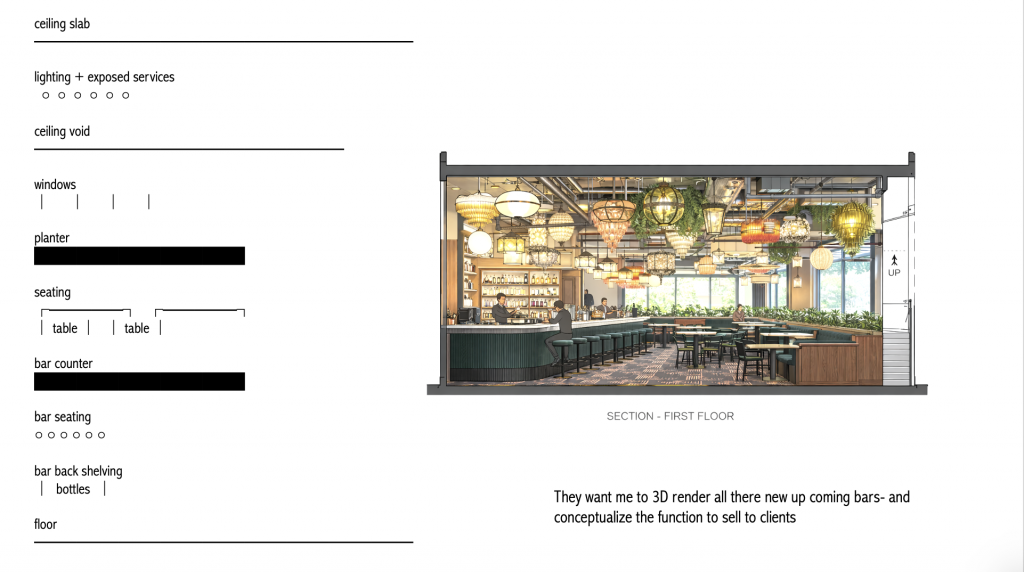
In total, I worked across six different venues, creating around three to four floor plan options for each one. I also produced 3D rendered versions of the layouts so the teams could better visualise the spaces and experiment with different configurations before final decisions were made.
Alongside the design work, I was also responsible for organising all of the completed floor plans and renders into a shared iDrive system. This allowed all of the General Managers to easily access the layouts for their venues and use them when planning events or presenting options to clients.
This week helped me further develop my technical skills while also improving my understanding of how design decisions can directly impact the commercial success and functionality of a space.
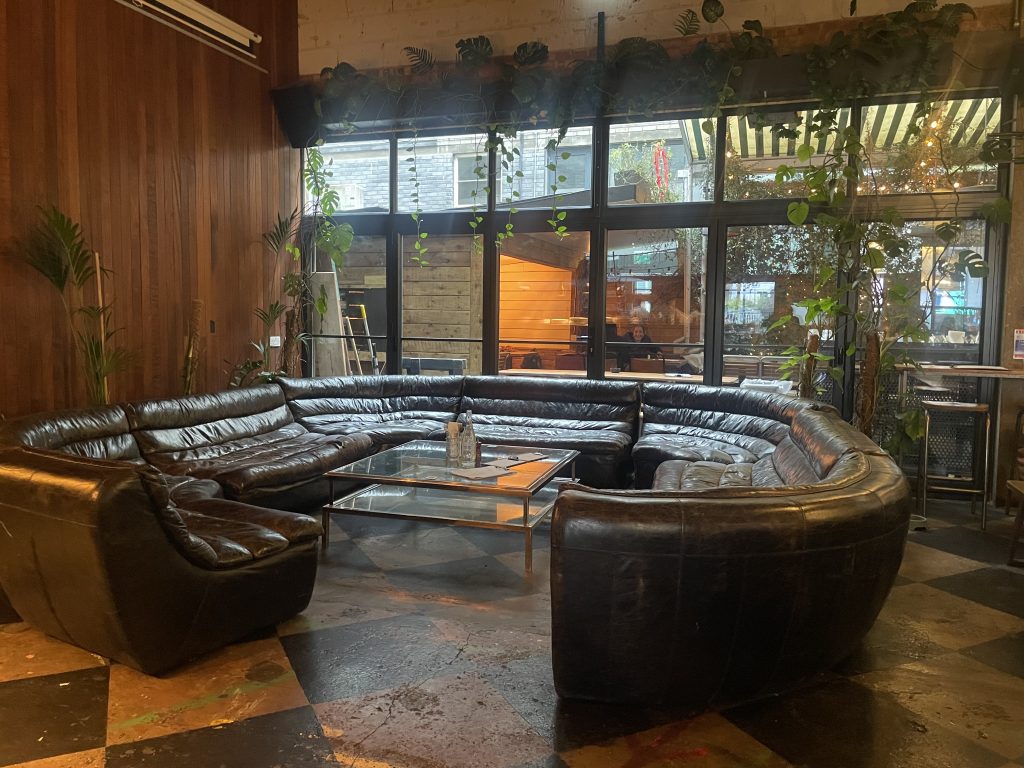
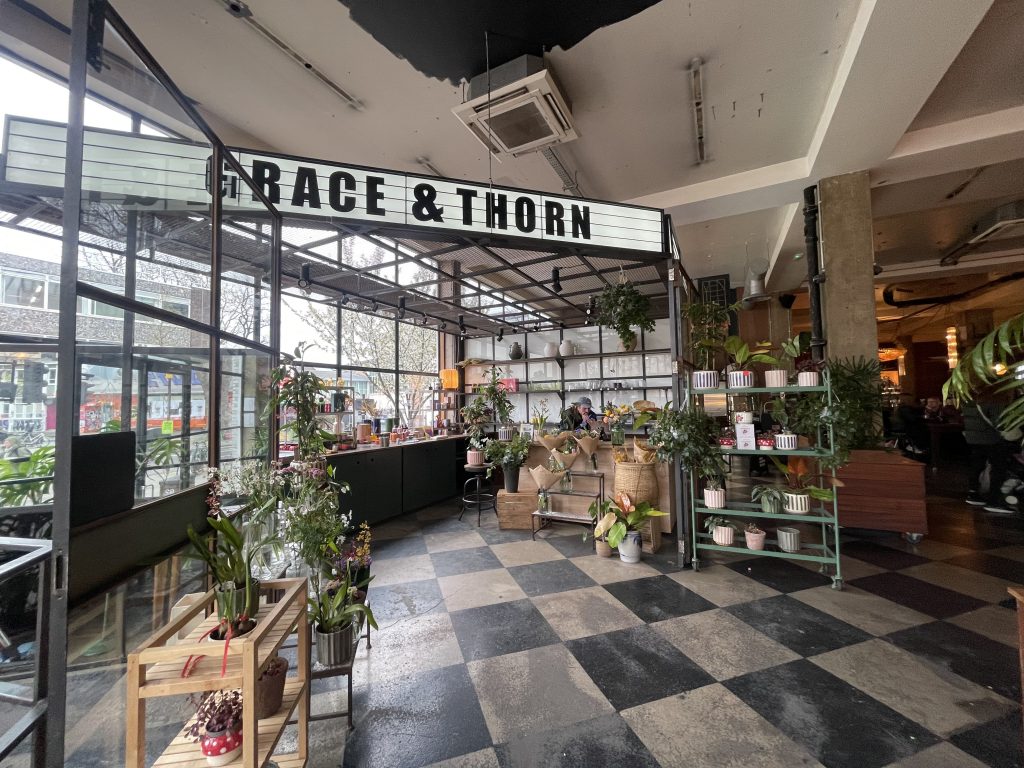
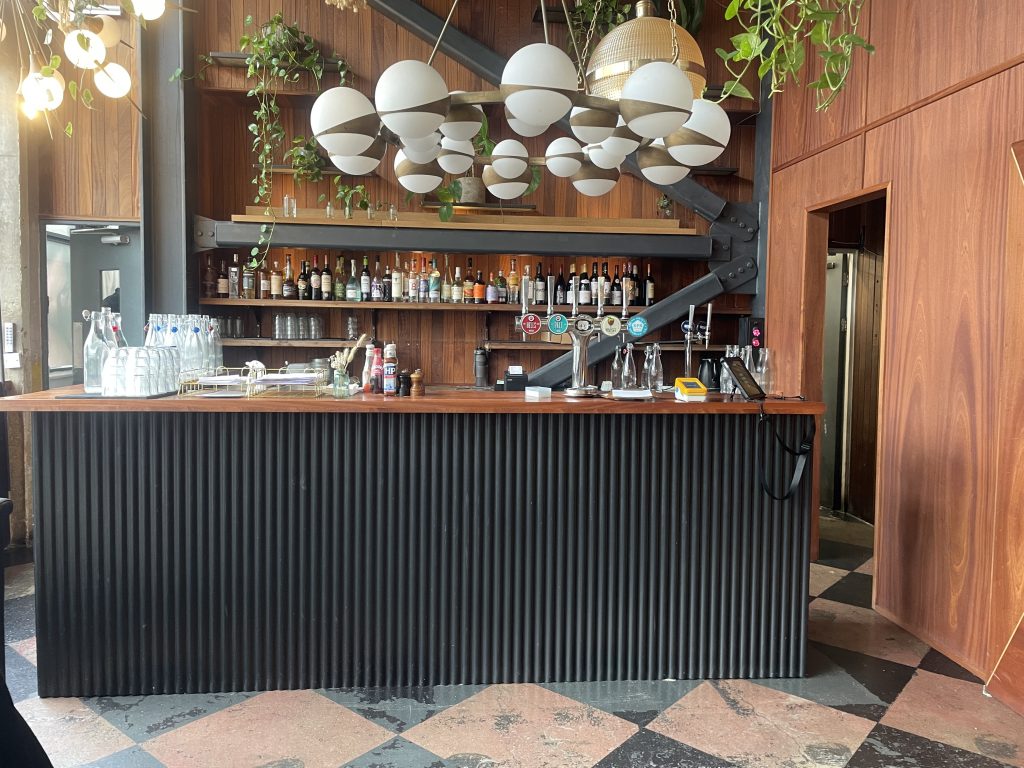
week 9-13th April
This week, I reached a major milestone in my placement as I have nearly completed all of the floor plans for the project. I am particularly proud of this achievement because these are the most professional floor plans I have produced to date. Seeing the progress from the initial layouts to the final drawings has been incredibly rewarding, and the positive feedback from the company made the accomplishment even more meaningful. They were very pleased with the quality and presentation of the plans, which gave me a real sense of confidence in my abilities.
Working on the floor plans has significantly improved my AutoCAD skills. Throughout this stage of the project, I had to regularly review and refine the layouts, going back and forth to ensure that every detail was accurate and functional. This process taught me the importance of precision and attention to detail when producing professional drawings.
I also gained experience in presenting information clearly for clients. One key aspect was colour-coding furniture and layouts to make the plans easier to understand and navigate. This helped me consider the client’s perspective and reinforced the importance of clear communication through design documentation.
Overall, this week has been a valuable learning experience. Not only have I strengthened my technical AutoCAD skills, but I have also developed greater confidence in my work and my ability to produce professional-standard drawings that meet both company and client expectations.
January-March
Finding My Way Into the Creative Industry
After finishing my time at JOY Collective, I found it really difficult to secure another placement between January and February. I contacted around 45 companies, but many never replied, which felt discouraging and frustrating. Some companies took me through interviews but later explained they were not actually looking for someone to join their team. This experience showed me how competitive the creative industry can be, especially for students who are expected to stay flexible and often work unpaid. It also made me think more about accessibility and fairness, and how getting meaningful opportunities can sometimes depend more on circumstances than ability.
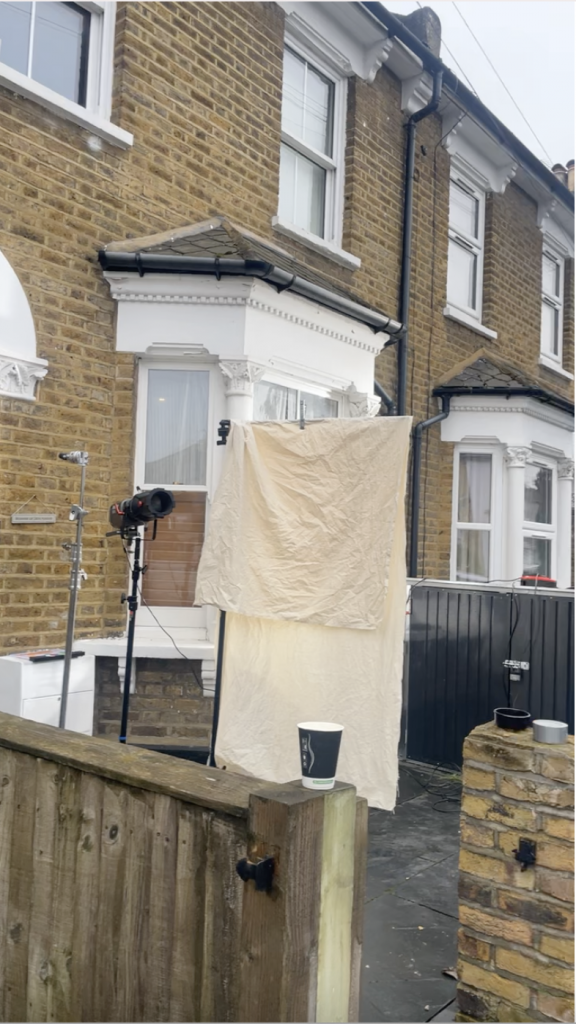
During January and February, while struggling to secure a placement, I spent time shadowing on large film productions whenever opportunities came up. The sets were fast-paced, highly structured, and made up of hundreds of people across specialist departments. Although intense, these experiences were exciting and helped me stay motivated during a period of uncertainty.
What stood out most was how interconnected everyone was. Many people already had long-standing industry relationships, which made me question whether access is shaped more by talent, timing, or who you know. Even with a connection, I was still seen as “just a student,” with little opportunity to stay beyond shadowing. I also noticed a lack of diversity on set, which made the industry feel quite closed off to newcomers.
After exhausting formal applications, I turned to family contacts and friends in the industry, which quickly led to meetings and placement opportunities. While this highlighted how important networking is in creative industries, it also reinforced how difficult it can be to access these spaces without existing connections.
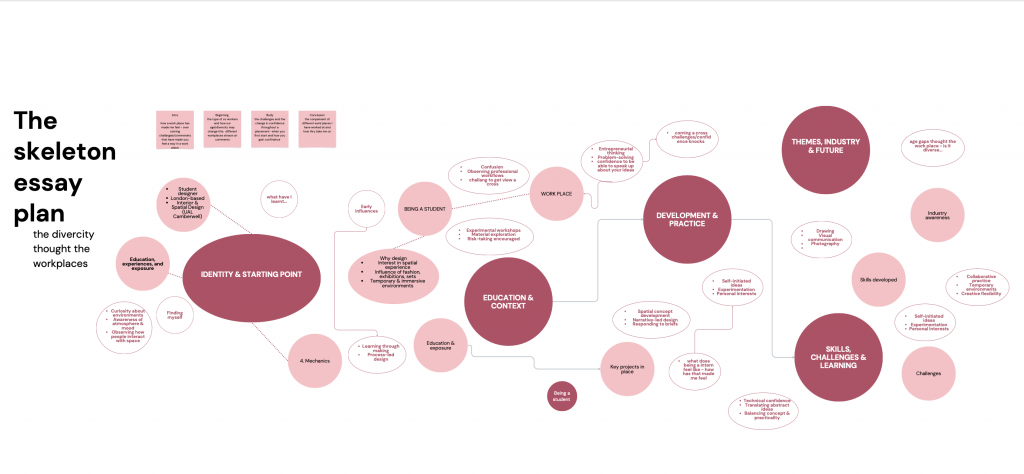
Preparing and planning the written report
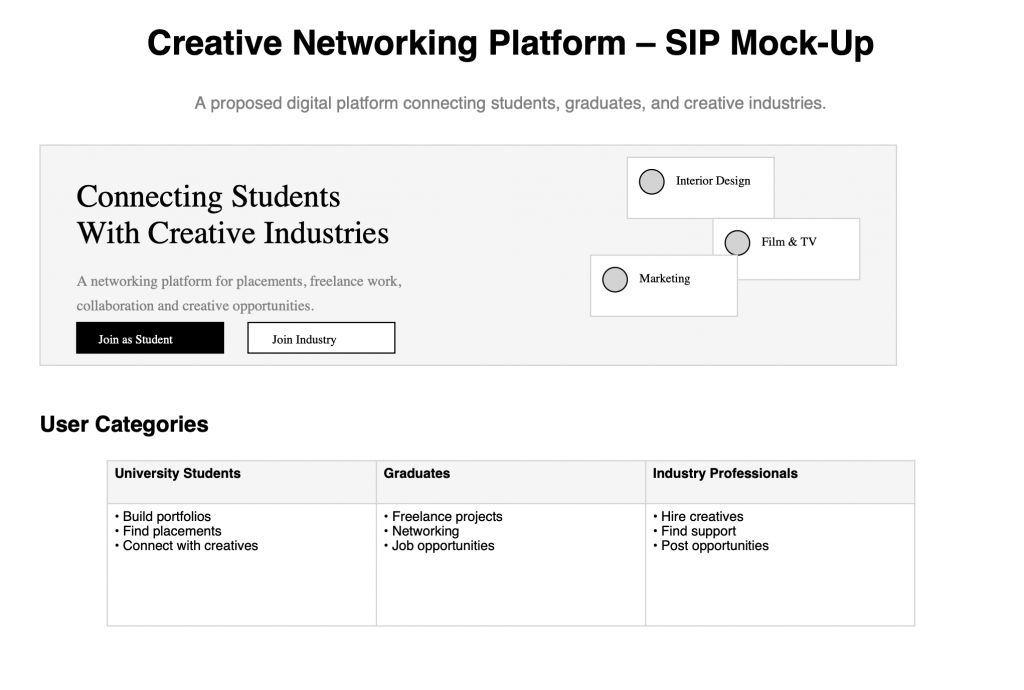
SIP Proposal: Creating Better Access to Creative Industries
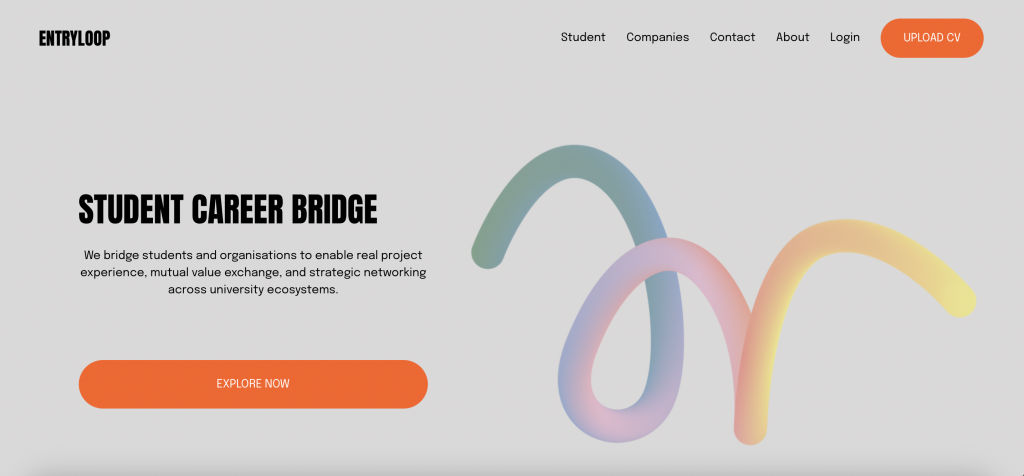
My SIP project looks at the difficulties students and new creatives face when trying to enter the creative industry. During my placement year, I realised how much it depends on networking and personal connections, and how many opportunities are not publicly advertised. This can make it really hard for students without those contacts to even know where to start.
From this, I identified a gap in accessible platforms that bring students, creatives, freelancers, and companies together in one place. My idea is to design a website that works as a simple networking platform for the creative industries. It would let people share work, connect with companies and studios, and find opportunities like placements, freelance jobs, or collaborations.
The aim is to make networking feel more open and less intimidating for young creatives. Instead of relying only on who you know, users would be able to build connections through their work and profiles in a more direct way.
I’m taking inspiration from platforms like The Dots and Behance. The Dots focuses on connecting creatives with jobs and opportunities, while Behance is widely used for sharing portfolios and gaining visibility. However, my idea is more focused on students and early-career creatives, making it feel less corporate and more accessible for people just starting out.https://the-dots.com/?utm_source=chatgpt.com
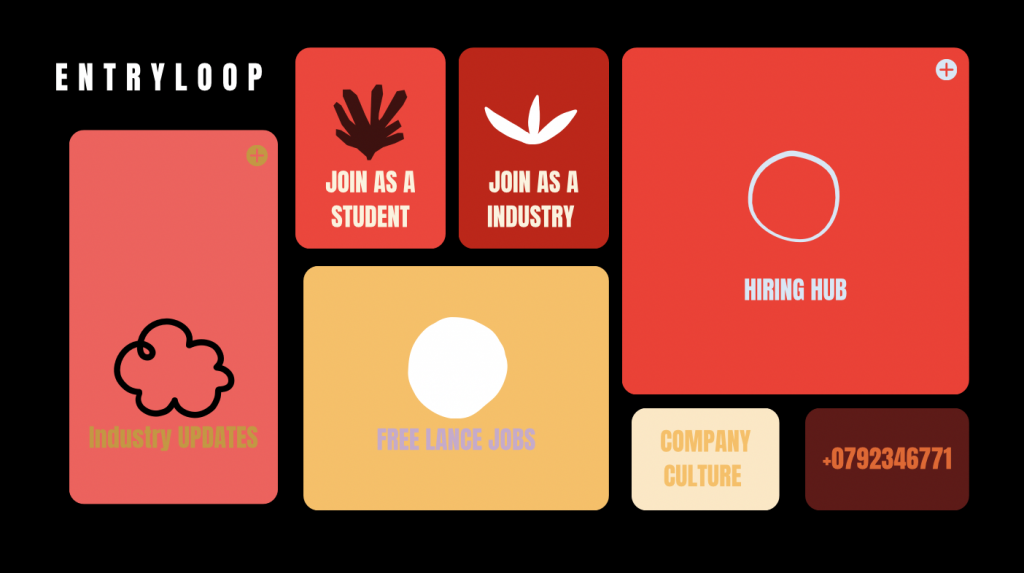
SIP WEBSITE FOR THE BRIDGE WITH STUDENTS AND INDUSTRY
week 10- 11th May
Week 10–11
During my final weeks of placement, I spent time organising all of my work into folders so that the company could easily access everything after I left. This allowed me to review all the work I had completed over the placement and see how much I had achieved.
The company discussed with me that they would like to use some of my floor plans and designs to further develop the project through 3D rendering. They explained that they may use AI to transform the designs into different layouts and concepts to help market and sell the space. I was really pleased that they valued my work enough to continue developing it, as it showed that my contributions had a real impact on the project. However, it also made me think more about copyright and ownership of design work, and I would like to explore how I can ensure I receive appropriate credit if my designs are used in future developments.
This week also marked the end of my placement. The team kindly organised leaving drinks for me, which was a lovely way to finish my time there. I will be sad to leave as I had started to get to know everyone well and felt like part of the team. I really enjoyed having this role as part of my weekly routine because it felt like I was doing meaningful work and genuinely helping the company.
Overall, this placement has been an extremely valuable experience. It has improved my technical skills, confidence, and understanding of how design projects are developed within a professional environment. I am grateful for the opportunity and proud of the work I have produced throughout the placement.
Pecha Kucha December
I took part in a Pecha Kucha presentation where we presented our current placement work under timed conditions. This experience was really valuable for me as it allowed me to practise presenting clearly and confidently within a set timeframe, while also reflecting on the progress I have made throughout my placement so far.
During the presentation, I was able to showcase the projects and tasks I have been working on, including floor plans, layout development, and other design-based work. The timed format pushed me to think carefully about how I communicate my ideas and how I structure the information I want to share. It helped me become more aware of pacing, clarity, and selecting the most important points to discuss.
One of the biggest things I gained from this experience was confidence in talking about my work. Presenting in front of others encouraged me to speak more professionally about my design process and decisions, while also helping me understand how I want to present my work in future situations.
At the end of the presentation, we were asked questions about our placement experience and future development. This gave me the opportunity to reflect on the areas I would like to continue improving during the remainder of my placement. I realised that I want to further develop my technical drawing skills, confidence within professional communication, and understanding of spatial layouts within live projects.
Overall, the Pecha Kucha was a positive experience that allowed me to reflect on both my personal growth and professional development. It helped me recognise how much I have learned so far while also identifying areas I would like to continue building on moving forward.